English
- English
- Español
- Português
- русский
- Français
- 日本語
- Deutsch
- tiếng Việt
- Italiano
- Nederlands
- ภาษาไทย
- Polski
- 한국어
- Svenska
- magyar
- Malay
- বাংলা ভাষার
- Dansk
- Suomi
- हिन्दी
- Pilipino
- Türkçe
- Gaeilge
- العربية
- Indonesia
- Norsk
- تمل
- český
- ελληνικά
- український
- Javanese
- فارسی
- தமிழ்
- తెలుగు
- नेपाली
- Burmese
- български
- ລາວ
- Latine
- Қазақша
- Euskal
- Azərbaycan
- Slovenský jazyk
- Македонски
- Lietuvos
- Eesti Keel
- Română
- Slovenski
- मराठी
- Srpski језик

News
Are Wooden Cement Brick Pallets Costing You More Than You Think?
The Cement Brick Pallet is an unsung workhorse—quietly supporting the entire production process, from molding fresh cement bricks to curing and storage. Wooden Cement Brick Pallets have long been the go-to choice, favored for their initial low cost and easy availability. But what most operators fail to realize is that these seemingly affordable pallets are hiding hidden costs that add up dramatically over time, eating into profits and disrupting operations. The true cost of wooden Cement Brick Pallets isn’t just their purchase price; it’s the endless cycle of replacements, repairs, production delays, and quality issues they cause. Insights from industry specialists like PRO—with over 15 years of experience in brick machine molds and related equipment, including high-performance alternatives to wooden pallets—shed light on how wooden Cement Brick Pallets are costing more than you think, and how choosing the right solution can save time, money, and headaches. This article breaks down the hidden costs of wooden pallets, explains why they fail to deliver long-term value, and shows how a better Cement Brick Pallet option can transform your operations while boosting your bottom line.
The Hidden Costs of Wooden Cement Brick Pallets You’re Missing
Frequent Replacements: The Never-Ending Expense
The biggest hidden cost of wooden Cement Brick Pallets is their short lifespan, which forces constant replacements. Unlike durable alternatives, wooden pallets are vulnerable to the harsh conditions of cement brick production—moisture from fresh concrete, heavy loads, constant vibration from brick machines, and exposure to outdoor elements. A typical wooden Cement Brick Pallet lasts just 1-3 years before it warps, cracks, or breaks beyond repair, requiring immediate replacement to keep production moving. For a medium-sized cement brick facility using 100 pallets, this means replacing 30-50 pallets every year—a recurring expense that adds up quickly.
Even with repairs (which many operators rely on to extend lifespan), the costs keep piling up. Wooden pallets often need frequent fixes—replacing cracked boards, resecuring loose nails, or reinforcing weakened frames—and each repair takes time and labor. A single repaired pallet might cost less than a new one upfront, but the cumulative cost of repairs and replacements over 5 years far exceeds the cost of a more durable Cement Brick Pallet option. PRO’s decades of industry experience working with domestic and international clients have shown that operators using wooden pallets spend 2-3 times more on replacements and repairs than those using high-quality alternatives.
Production Delays: Downtime That Kills Profits
Wooden Cement Brick Pallets are prone to unexpected failure, which leads to costly production downtime. A cracked or broken pallet can get stuck in the brick machine, jam the production line, or cause freshly molded cement bricks to shift, crack, or become misshapen. Even a 30-minute delay to replace a broken wooden pallet can disrupt the entire production schedule, leading to missed output targets and wasted labor costs. Over time, these small delays add up to hours—even days—of lost production each year.
Moisture is another major culprit of downtime with wooden pallets. Wood absorbs moisture from fresh cement and the environment, causing it to warp or swell. Warped pallets don’t sit flat on the production line, leading to uneven brick molding, machine jams, and the need to stop production to adjust or replace the pallet. This not only wastes time but also reduces the quality of the final product, leading to more waste and rework. Unlike wooden options, a well-engineered Cement Brick Pallet resists moisture and warping, keeping production running smoothly with minimal downtime.
Quality Issues: Wasted Materials and Reputational Risk
Wooden Cement Brick Pallets directly impact the quality of your cement bricks—and poor quality means wasted materials and lost revenue. As wooden pallets age, they develop splinters, cracks, and uneven surfaces, which leave marks on fresh cement bricks or cause them to dry unevenly. This results in defective bricks that can’t be sold, wasting raw materials (cement, sand, water) and labor. A facility using wooden pallets can lose 5-10% of its production to defects caused by pallet issues—a significant loss for any operation.
Additionally, uneven or warped wooden pallets can cause bricks to have inconsistent sizes or shapes, which can hurt your reputation with clients who expect consistent quality. Over time, this can lead to lost business as clients switch to manufacturers with more reliable products. PRO’s focus on quality and customer service—backed by a professional design and R&D team—addresses this pain point by offering Cement Brick Pallet solutions that ensure consistent, high-quality brick production, reducing waste and protecting your reputation.
Maintenance and Labor Costs: Hidden Time and Effort
Wooden Cement Brick Pallets require constant maintenance to keep them functional, adding hidden labor costs to your operations. Workers must regularly inspect pallets for cracks, loose nails, and warping, separate damaged pallets for repair or replacement, and store extra pallets to avoid production delays. This takes time away from other critical tasks, such as operating brick machines or quality control.
Moisture also adds to maintenance costs: wooden pallets that absorb water are prone to mold and rot, which requires cleaning or treatment to prevent contamination of cement bricks. In some cases, moldy pallets must be discarded entirely, adding to replacement costs. Labor costs associated with wooden pallet maintenance and handling can add up to 15-20% of total labor expenses for cement brick production—costs that can be eliminated with a low-maintenance Cement Brick Pallet alternative.
Why Wooden Cement Brick Pallets Fail to Deliver Long-Term Value
Material Vulnerability: Not Built for Cement Production Conditions
Wood is a natural material that’s inherently vulnerable to the conditions of cement brick production. Fresh cement is wet and alkaline, which accelerates wood rot and degradation. Constant exposure to moisture causes wood to expand, contract, warp, and crack—even treated wood can only withstand these conditions for a short time. Additionally, the heavy weight of cement bricks (often 20-50 pounds per brick) puts constant stress on wooden pallets, leading to structural failure over time.
Wooden pallets also lack the durability to withstand the vibration of brick machines. The constant shaking during molding and transportation loosens nails, weakens joints, and causes boards to crack. This is a stark contrast to high-quality Cement Brick Pallet alternatives, which are designed with materials that resist moisture, heavy loads, and vibration—ensuring long-term performance. PRO’s product range includes such alternatives, leveraging years of experience to create pallets that stand up to the harsh realities of cement brick production.
Lack of Standardization: Inconsistency Causes Inefficiency
Wooden Cement Brick Pallets are often made from low-grade lumber or repurposed wood, leading to inconsistent sizes, weights, and quality. No two wooden pallets are exactly the same—some are thicker, some are warped, some have stronger frames—and this inconsistency causes inefficiencies in production. Uneven pallets lead to uneven brick molding, machine jams, and the need for constant adjustments, slowing down production and increasing waste.
Additionally, wooden pallets often don’t fit perfectly with brick machines or curing racks, leading to further inefficiencies. This lack of standardization is a major pain point for operators, who spend valuable time adjusting their equipment to accommodate inconsistent pallets. PRO addresses this by offering standardized (and customizable) Cement Brick Pallet solutions, designed to fit seamlessly with all types of brick machines and production setups—ensuring consistency and efficiency.
Environmental Costs: Hidden Sustainability Risks
While wood is a renewable resource, the frequent replacement of wooden Cement Brick Pallets leads to unnecessary deforestation and waste. Each year, thousands of wooden pallets end up in landfills, contributing to environmental harm. Additionally, the production of wooden pallets requires energy and resources (such as nails, glue, and treatment chemicals), which adds to their environmental footprint.
For operators looking to adopt more sustainable practices, wooden pallets are a poor choice. Durable Cement Brick Pallet alternatives—such as steel or composite pallets—last 10-15 years or more, reducing waste and the need for frequent replacements. PRO’s commitment to supporting the cement concrete industry includes offering sustainable, long-lasting pallet solutions that align with modern environmental standards, helping operators reduce their carbon footprint while saving money.
Comparative Analysis: Wooden vs. High-Quality Cement Brick Pallets
To clearly see how wooden Cement Brick Pallets cost more than high-quality alternatives, the following table compares key factors—from lifespan to maintenance costs—highlighting the true value of investing in a durable solution. This analysis is based on industry data, real-world operator experiences, and PRO’s 15+ years of expertise in brick machine equipment:
| Key Factor | Wooden Cement Brick Pallets | High-Quality Cement Brick Pallets (PRO Style) | Annual Cost Impact (100 Pallets) |
| Lifespan | 1-3 years | 10-15 years | Wooden: $3,000-$5,000 in replacement costs; High-Quality: $500-$800 in replacement costs |
| Maintenance Costs | High; $1,500-$2,500/year (repairs, inspections, cleaning) | Low; $200-$500/year (minimal inspections, no repairs) | Wooden: $1,300-$2,000 more in annual maintenance |
| Downtime | High; 50-100 hours/year (due to pallet failure) | Low; 5-10 hours/year (minimal issues) | Wooden: $2,500-$5,000 in lost production (based on $50/hour labor) |
| Defect Rate | 5-10% of production (due to uneven pallets) | 1-2% of production (consistent, flat surfaces) | Wooden: $4,000-$8,000 in wasted materials and labor |
| Labor Costs (Handling/Maintenance) | High; 10-15 hours/week (inspections, repairs, replacement) | Low; 1-2 hours/week (minimal inspections) | Wooden: $2,600-$3,900 more in annual labor costs |
| Total Annual Cost | $13,400-$24,400 | $1,700-$3,100 | Wooden: $11,700-$21,300 more in annual costs |
What to Look for in a High-Quality Cement Brick Pallet
1. Durable, Weather-Resistant Materials
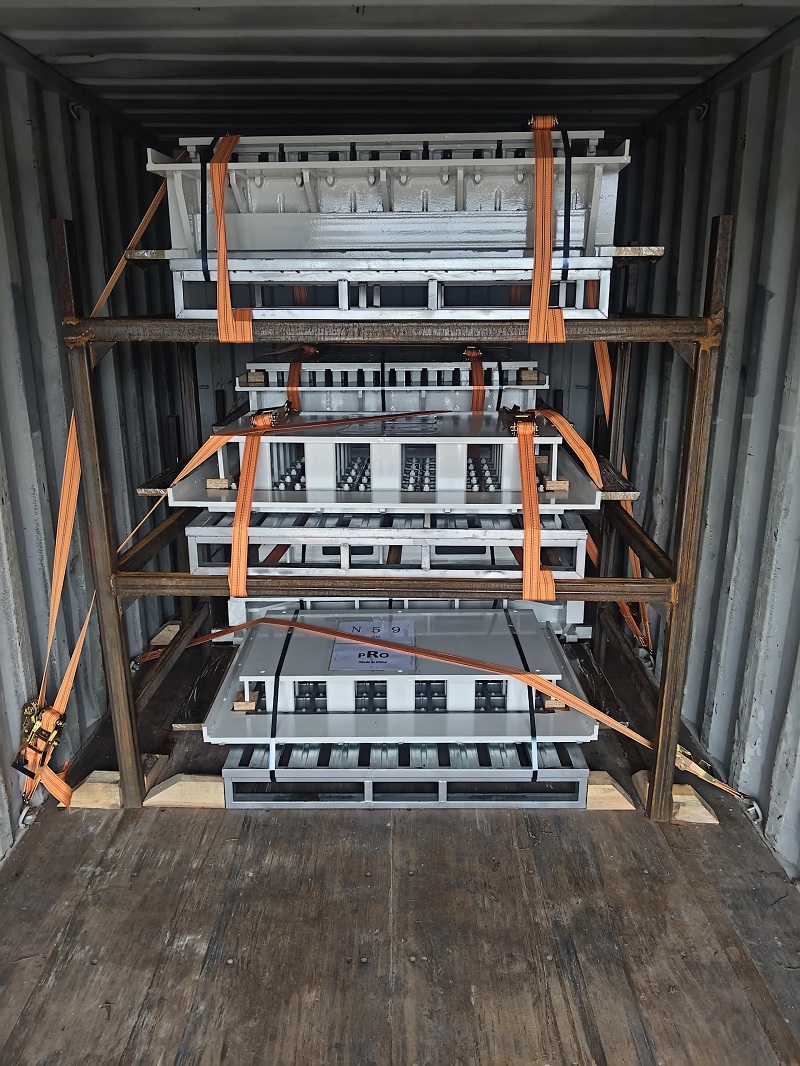
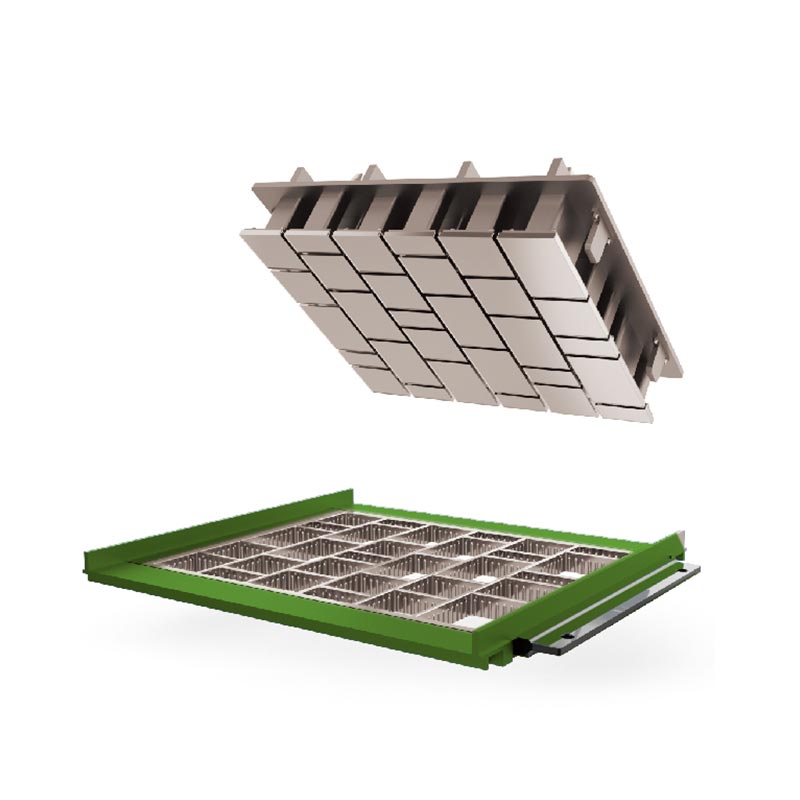
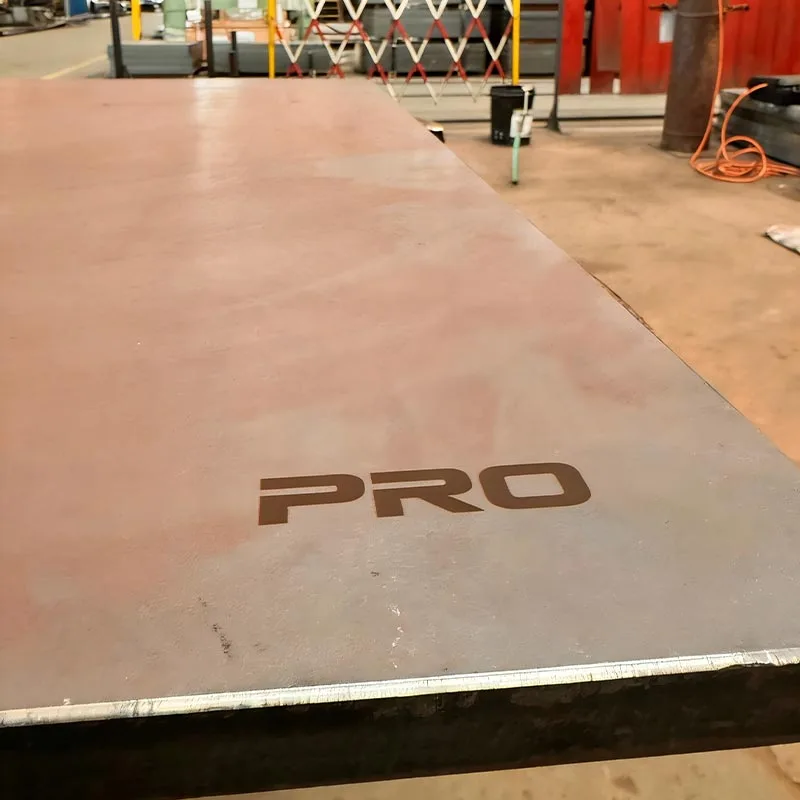
The best Cement Brick Pallets are made from materials that resist moisture, rot, heavy loads, and vibration. Look for pallets made from steel, composite materials, or high-grade plastic—materials that can withstand the harsh conditions of cement brick production. PRO offers a range of durable options, including brick machine steel pallets, which are designed to last 10-15 years or more without warping, cracking, or breaking. These materials ensure the pallet remains flat and stable, reducing defects and downtime.
2. Standardization and Customization
A high-quality Cement Brick Pallet should be standardized to fit seamlessly with your brick machines and production setup, ensuring consistency and efficiency. Additionally, it should be customizable to meet your specific needs—whether you need a specific size, weight capacity, or design. PRO’s professional design and R&D team can create both standard and non-standard Cement Brick Pallet solutions, tailored to your facility’s unique requirements. This ensures the pallet fits perfectly, reducing inefficiencies and improving production flow.
3. Strict Quality Control and Testing
To ensure long-term performance, a Cement Brick Pallet must undergo strict quality control and testing before use. Look for a manufacturer that adheres to high quality standards, with every pallet tested for load capacity, durability, and stability. PRO employs a strict, modern management model and conducts rigorous testing on all its products—including Cement Brick Pallets—to ensure they meet international standards and deliver reliable performance. This commitment to quality ensures you get a pallet that lasts, reducing hidden costs.
4. Low Maintenance and Easy Handling
A high-quality Cement Brick Pallet should require minimal maintenance, saving you time and labor costs. Look for pallets that are easy to clean, resistant to mold and rot, and don’t require frequent repairs. PRO’s Cement Brick Pallet solutions are designed for low maintenance, with smooth surfaces that are easy to clean and materials that resist damage. Additionally, they are lightweight enough for easy handling, reducing labor strain and improving efficiency.
5. Comprehensive Support and After-Sales Service
Choosing a Cement Brick Pallet from a manufacturer with comprehensive support and after-sales service ensures you get the most out of your investment. Look for a company that offers pre-sales consultation (to help you choose the right pallet), installation guidance, and lifetime maintenance support. PRO prides itself on providing high-quality service to every customer, with a team of experts available to assist with any questions or issues. This support ensures your pallets operate at peak efficiency, maximizing your savings and minimizing downtime.
Debunking Common Myths About Wooden Cement Brick Pallets
Myth 1: “Wooden Pallets Are Cheaper Upfront—That’s All That Matters”
While wooden Cement Brick Pallets have a lower upfront cost, their hidden costs—replacements, maintenance, downtime, and wasted materials—make them far more expensive in the long run. As the comparison table shows, wooden pallets cost 5-10 times more annually than high-quality alternatives. The initial savings of $20-$30 per pallet are quickly erased by recurring costs, making wooden pallets a poor long-term investment. PRO’s experience working with countless operators has proven that investing in a durable Cement Brick Pallet saves money over time.
Myth 2: “All Cement Brick Pallets Are the Same—Wooden Is Just as Good”
This couldn’t be further from the truth. The quality of a Cement Brick Pallet depends on its materials, design, and manufacturing. Wooden pallets are inherently vulnerable to the conditions of cement brick production, while high-quality alternatives are engineered to withstand those conditions. From load capacity to durability to consistency, wooden pallets can’t match the performance of steel or composite pallets. The difference in quality translates to fewer defects, less downtime, and lower costs—making high-quality pallets a far better choice.
Myth 3: “Wooden Pallets Are Easier to Replace—So Downtime Isn’t a Problem”
Even if wooden pallets are easy to replace, the downtime caused by their failure still costs money. Every minute the production line is stopped due to a broken pallet is a minute of lost output and wasted labor. Over time, these small delays add up to significant losses. High-quality Cement Brick Pallets rarely fail, eliminating unplanned downtime and ensuring production runs smoothly. This consistency is far more valuable than the “ease of replacement” of wooden pallets.
Conclusion
The answer to the question “Are Wooden Cement Brick Pallets Costing You More Than You Think?” is a resounding yes. Wooden pallets may seem affordable upfront, but their short lifespan, frequent replacements, production downtime, quality issues, and hidden labor costs make them far more expensive than high-quality alternatives. For cement brick operators looking to boost profits, reduce waste, and improve efficiency, ditching wooden Cement Brick Pallets is a critical step.
A high-quality Cement Brick Pallet—built with durable materials, strict quality control, and tailored to your operations—delivers long-term value, reducing hidden costs and transforming your production process. PRO, with over 15 years of experience in brick machine molds and related equipment, offers a range of Cement Brick Pallet solutions (including steel pallets) that are designed to solve the pain points of wooden pallets. Backed by a professional design and R&D team, comprehensive after-sales service, and a commitment to quality, PRO’s solutions help operators produce more valuable cement products while saving money.
In an industry where every dollar counts, the true cost of wooden Cement Brick Pallets is too high to ignore. By investing in a durable, low-maintenance alternative, you’re not just buying a pallet—you’re investing in the efficiency, quality, and profitability of your operation. The question isn’t whether wooden pallets are costing you more than you think—it’s whether you’re ready to make the switch to a solution that saves you time, money, and headaches for years to come.
With PRO’s expertise and high-quality Cement Brick Pallet solutions, you can eliminate the hidden costs of wooden pallets, improve your production efficiency, and take your cement brick operation to the next level. The choice is clear: wooden pallets may be cheap upfront, but they cost you more in the long run—while a high-quality Cement Brick Pallet is an investment that pays off for decades.
Related News
- How Does Cement Concrete Brick Mold Accuracy Affect the Quality of Finished Bricks?
- What Makes a Customized Concrete Brick Mold the Right Choice for Consistent Production?
- Cement Concrete Brick Shot Blasting Surface Treatment Machine vs Traditional Surface Treatment Methods: Which Solution Is More Efficient?
- How to Choose the Right Paver Concrete Brick Mold for Landscape Projects
- Why Choose a Cement Concrete Mixer for Efficient Construction Projects?
- Why Choose a Laser Rust Remover Machine for Modern Surface Cleaning?
Leave me a message