There are various surface treatment methods for cement bricks, which are mainly selected based on usage scenarios, aesthetic requirements, and functional requirements. Common surface treatment methods include the following categories:
Common surface treatment methods
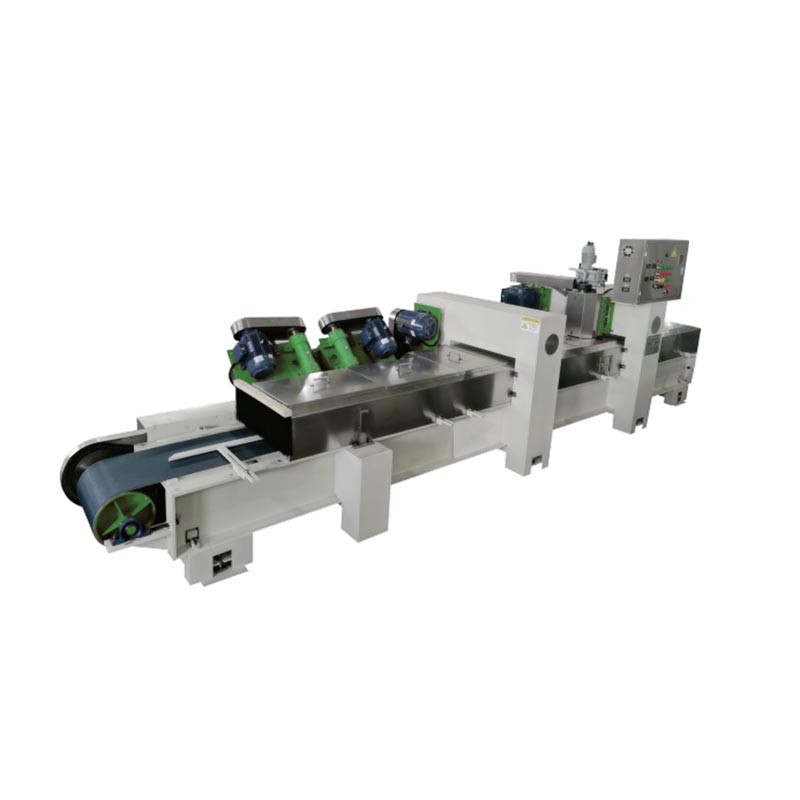
Soft polishing, semi polishing, full polishing: Control surface smoothness through mechanical polishing, suitable for indoor or spaces with high aesthetic requirements. Full polishing is the brightest, while soft polishing preserves more of the original texture.
Brushing treatment: Creating rough textures on the surface to enhance the bonding strength with subsequent materials such as tile adhesive and mortar, commonly used for base treatment before tiling or anti slip of sidewalk tiles.
Chiseling treatment: using mechanical or manual methods to form bumps and depressions on the surface, suitable for renovating old floors or requiring re tiling of tiles.
Water washing treatment: By flushing the surface with high-pressure water flow, the aggregate particles are exposed, forming a natural rough effect. It is commonly used for permeable bricks or landscape bricks.
Spray/coating treatment: such as using epoxy floor paint, acrylic paint, etc., can change color and improve wear resistance, suitable for courtyard or garage floors.
Curing agent treatment: Apply curing agent on the surface of polished cement bricks to improve hardness and anti sanding ability, suitable for direct use on cement floors.
Choose Suggestions
Indoor use (such as living room, kitchen): Priority should be given to soft throwing or semi throwing, balancing aesthetics and slip resistance.
Outdoor/Courtyard: It is recommended to use brushed, washed or non slip tiles to enhance safety and weather resistance.
Renovating old floors: The sanding layer needs to be removed first, and then chiseled, polished, or self leveled.
We use cookies to offer you a better browsing experience, analyze site traffic and personalize content. By using this site, you agree to our use of cookies.Privacy Policy