1. Core Motion Mechanism: Superposition of Rotation and Revolution
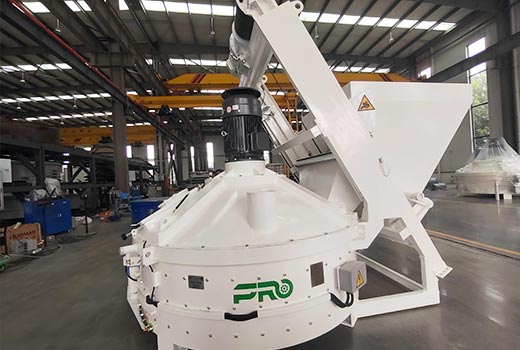
Unlike conventional mixers that have a single rotating shaft, the planetary mixer features one or two (or even more)
mixing shafts, each equipped with mixing arms and blades. Upon startup:
● Revolution: The mixing shafts rotate slowly around the central axis of the mixing drum, moving the material from
the inner wall toward the center or the periphery.
● Rotation: Simultaneously, each mixing shaft rotates at high speed on its own axis, driving the blades to perform
intense shearing on the local material.
This compound motion is analogous to planetary motion in the solar system: the mixing shafts act like "planets,"
rotating on their own axes while revolving around the "sun" (the center of the drum).
2. Complex Material Motion Trajectory
Under the dual action of "revolution + rotation," the material inside the mixing drum no longer follows a simple
circular path but exhibits a complex three-dimensional motion trajectory:
● Horizontal Motion: Revolution enables macroscopic circulation of the material within the drum.
● Vertical Motion: Due to the specific angle of the mixing blades and gravity, the material is continuously lifted,
tumbled, and dropped in the radial direction.
This multi-dimensional mechanical superposition generates a triple mixing effect of shearing, convection, and
diffusion. The material can complete a full drum circulation within 6 to 36 seconds, ensuring that even
micro-additives are thoroughly integrated with aggregates and cement in an extremely short time.
3. Structural Advantages
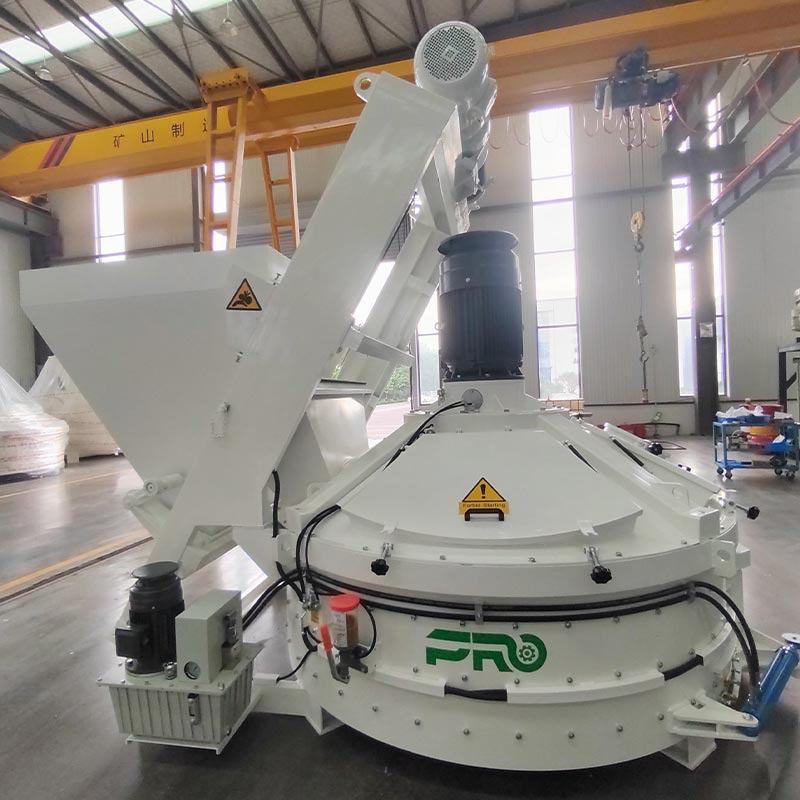
To achieve such efficient motion, the equipment typically adopts a single-motor-driven planetary gearbox design,
ensuring stable power distribution between revolution and rotation. The rotational speed is precisely controlled by
the system and remains unaffected by changes in material viscosity.
Furthermore, to prevent material adhesion, the mixer is usually equipped with a scraper device. The scraper
blades run closely along the drum wall, continuously scraping off any adhered material and pushing it back into the
mixing zone. This eliminates the "low-efficiency zones" and "dead spots" common in traditional mixers, achieving
360-degree dead-free mixing.
4. Conclusion
In summary, the planetary concrete mixer, through its complex planetary motion trajectory, breaks the inertial
equilibrium of materials within the mixing drum, generating powerful forced mixing action. This working principle
not only effectively avoids material segregation and agglomeration but also significantly enhances the homogeneity
and strength of concrete, making it a key technology in modern high-performance concrete production.
We use cookies to offer you a better browsing experience, analyze site traffic and personalize content. By using this site, you agree to our use of cookies.
Privacy Policy