English
- English
- Español
- Português
- русский
- Français
- 日本語
- Deutsch
- tiếng Việt
- Italiano
- Nederlands
- ภาษาไทย
- Polski
- 한국어
- Svenska
- magyar
- Malay
- বাংলা ভাষার
- Dansk
- Suomi
- हिन्दी
- Pilipino
- Türkçe
- Gaeilge
- العربية
- Indonesia
- Norsk
- تمل
- český
- ελληνικά
- український
- Javanese
- فارسی
- தமிழ்
- తెలుగు
- नेपाली
- Burmese
- български
- ລາວ
- Latine
- Қазақша
- Euskal
- Azərbaycan
- Slovenský jazyk
- Македонски
- Lietuvos
- Eesti Keel
- Română
- Slovenski
- मराठी
- Srpski језик

News
Why Choose a Laser Rust Remover Machine for Modern Surface Cleaning?
Rust removal has long been a critical challenge across industries such as manufacturing, automotive, shipbuilding, and infrastructure maintenance. Traditional cleaning methods like sandblasting, chemical treatments, and manual grinding often come with drawbacks such as environmental pollution, surface damage, and high labor costs. In recent years, laser rust remover machines have emerged as an advanced solution, offering precision, efficiency, and sustainability. This article explores how laser rust removal technology works, why it is gaining popularity, and how businesses can benefit from adopting it.

Article Summary
This comprehensive guide explains the working principle, advantages, applications, and selection criteria of laser rust remover machines. It also addresses common customer concerns such as cost, safety, and efficiency. Whether you are upgrading your cleaning process or exploring new industrial technologies, this article provides practical insights to help you make informed decisions.
Table of Contents
- 1. What Is a Laser Rust Remover Machine?
- 2. How Does Laser Rust Removal Work?
- 3. Key Advantages Over Traditional Methods
- 4. Common Applications Across Industries
- 5. Comparison: Laser Cleaning vs Traditional Methods
- 6. How to Choose the Right Machine
- 7. Cost Considerations and ROI
- 8. Maintenance and Safety Tips
- 9. Future Trends in Laser Cleaning Technology
- 10. Frequently Asked Questions
1. What Is a Laser Rust Remover Machine?
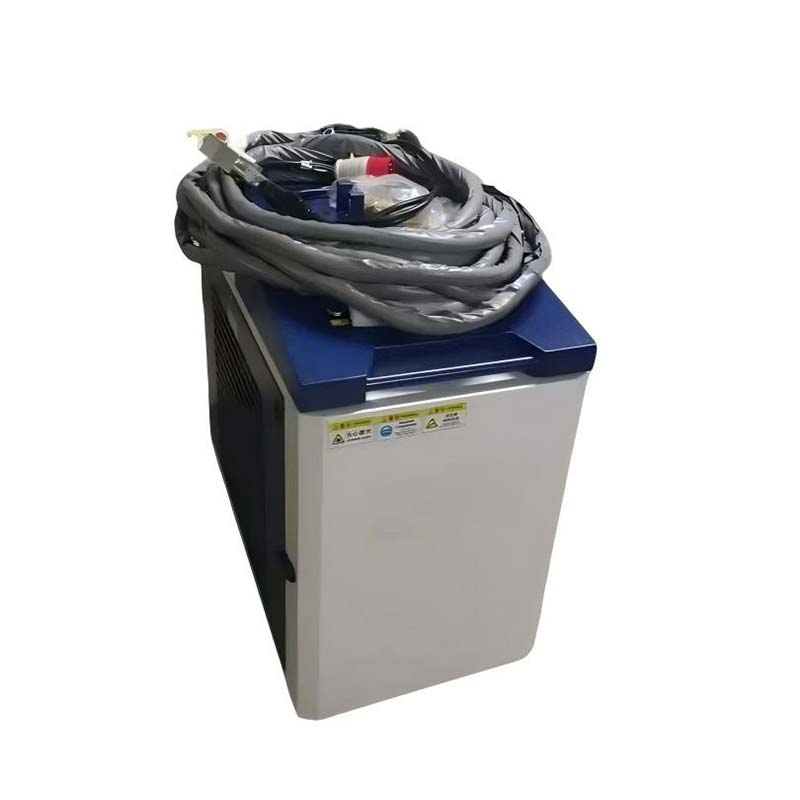
A laser rust remover machine is an advanced cleaning device that uses high-energy laser beams to remove rust, paint, oxide layers, and contaminants from metal surfaces. Unlike abrasive methods, it works without physical contact, ensuring that the base material remains intact.
- Non-contact cleaning technology
- Highly precise and controllable
- Eco-friendly with minimal waste
This technology is widely used in industries that require high-quality surface preparation and preservation.
2. How Does Laser Rust Removal Work?
The process involves directing a focused laser beam onto the contaminated surface. The energy from the laser is absorbed by rust or unwanted layers, causing them to evaporate or be blown away without affecting the underlying material.
Key steps include:
- Laser emission
- Surface absorption of energy
- Rapid heating and vaporization
- Removal of contaminants
This method ensures precision and eliminates the need for chemicals or abrasive materials.
3. Key Advantages Over Traditional Methods
| Feature | Laser Cleaning | Traditional Methods |
|---|---|---|
| Surface Damage | None | Possible |
| Environmental Impact | Low | High |
| Maintenance | Minimal | Frequent |
| Precision | High | Limited |
Major benefits include:
- No consumables required
- Reduced operational costs
- Improved workplace safety
- Automation compatibility
4. Common Applications Across Industries
Laser rust remover machines are versatile and can be used in multiple sectors:
- Automotive: Removing rust from car parts and restoring surfaces
- Shipbuilding: Cleaning hulls and metal structures
- Manufacturing: Preparing surfaces for welding or coating
- Aerospace: Precision cleaning of sensitive components
- Construction: Maintenance of steel structures
These applications highlight the adaptability and efficiency of laser cleaning systems.
5. Comparison: Laser Cleaning vs Traditional Methods
| Method | Pros | Cons |
|---|---|---|
| Sandblasting | Effective for heavy rust | Dust, surface damage |
| Chemical Cleaning | Deep cleaning | Hazardous waste |
| Manual Grinding | Low equipment cost | Labor-intensive |
| Laser Cleaning | Clean, precise, eco-friendly | Higher initial investment |
6. How to Choose the Right Machine
Selecting the right laser rust remover machine depends on several factors:
- Power Output: Higher power for heavy rust removal
- Portability: Handheld vs stationary systems
- Automation Needs: Integration with production lines
- Cooling System: Air-cooled or water-cooled
- Budget: Initial cost vs long-term savings
Working with a reliable manufacturer like PRO Industry Group Co., Ltd. ensures quality, durability, and professional support.
7. Cost Considerations and ROI
Although the initial investment may be higher than traditional methods, the long-term benefits often outweigh the cost.
Key cost-saving factors:
- No consumables (e.g., sand, chemicals)
- Lower labor costs
- Reduced maintenance
- Improved productivity
Businesses typically see a return on investment within a short period due to increased efficiency and reduced operational expenses.
8. Maintenance and Safety Tips
Proper maintenance ensures optimal performance and longevity:
- Regularly clean optical components
- Check cooling systems
- Inspect cables and connections
- Follow manufacturer guidelines
Safety measures include:
- Wearing protective eyewear
- Using proper ventilation
- Training operators adequately
9. Future Trends in Laser Cleaning Technology
The future of laser rust removal is promising, with innovations such as:
- AI-powered automation
- Compact and portable designs
- Increased energy efficiency
- Integration with smart manufacturing systems
These advancements will further enhance productivity and sustainability across industries.
10. Frequently Asked Questions
Q1: Is laser rust removal safe?
Yes, when proper safety measures are followed, it is one of the safest cleaning methods available.
Q2: Does it damage the base material?
No, laser cleaning is highly precise and does not harm the underlying surface.
Q3: What materials can be cleaned?
It is mainly used for metals but can also clean certain composites and coatings.
Q4: Is it suitable for large-scale operations?
Yes, especially with automated systems integrated into production lines.
Q5: How long does the machine last?
With proper maintenance, laser machines can operate efficiently for many years.
Conclusion
Laser rust remover machines represent a significant advancement in industrial cleaning technology. They offer unmatched precision, environmental benefits, and long-term cost savings. As industries continue to prioritize efficiency and sustainability, adopting laser cleaning solutions becomes a strategic decision.
If you are looking for reliable and high-performance solutions, PRO Industry Group Co., Ltd. provides advanced laser cleaning equipment tailored to your needs. Contact us today to discover how we can help optimize your operations and improve your productivity.
Related News
- How Does Cement Concrete Brick Mold Accuracy Affect the Quality of Finished Bricks?
- What Makes a Customized Concrete Brick Mold the Right Choice for Consistent Production?
- Cement Concrete Brick Shot Blasting Surface Treatment Machine vs Traditional Surface Treatment Methods: Which Solution Is More Efficient?
- How to Choose the Right Paver Concrete Brick Mold for Landscape Projects
- Are Wooden Cement Brick Pallets Costing You More Than You Think?
- Why Choose a Cement Concrete Mixer for Efficient Construction Projects?
Leave me a message