English
- English
- Español
- Português
- русский
- Français
- 日本語
- Deutsch
- tiếng Việt
- Italiano
- Nederlands
- ภาษาไทย
- Polski
- 한국어
- Svenska
- magyar
- Malay
- বাংলা ভাষার
- Dansk
- Suomi
- हिन्दी
- Pilipino
- Türkçe
- Gaeilge
- العربية
- Indonesia
- Norsk
- تمل
- český
- ελληνικά
- український
- Javanese
- فارسی
- தமிழ்
- తెలుగు
- नेपाली
- Burmese
- български
- ລາວ
- Latine
- Қазақша
- Euskal
- Azərbaycan
- Slovenský jazyk
- Македонски
- Lietuvos
- Eesti Keel
- Română
- Slovenski
- मराठी
- Srpski језик

News
Why Choose a Cement Concrete Mixer for Efficient Construction Projects?
Cement concrete mixers play a critical role in modern construction by ensuring consistent, high-quality mixing of materials. Whether for small-scale residential work or large infrastructure projects, selecting the right mixer can significantly impact productivity, cost efficiency, and final results. This comprehensive guide explores types, benefits, selection criteria, maintenance, and real-world applications to help buyers and professionals make informed decisions.
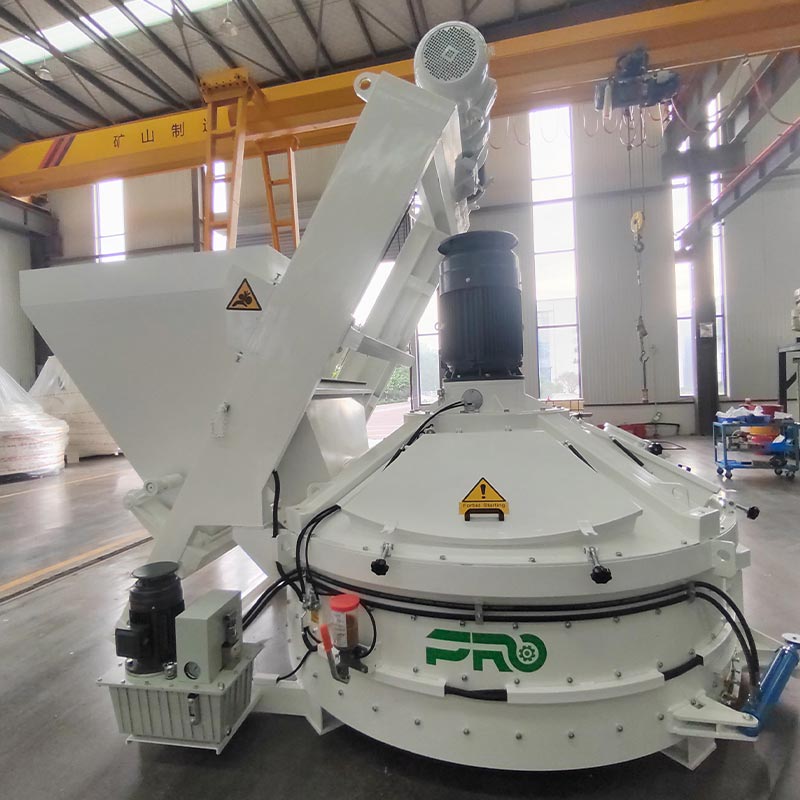
Table of Contents
- 1. What Is a Cement Concrete Mixer?
- 2. Why Is It Essential in Construction?
- 3. Types of Cement Concrete Mixers
- 4. Key Features to Consider
- 5. How to Choose the Right Mixer
- 6. Applications Across Industries
- 7. Maintenance and Longevity Tips
- 8. Common Problems and Solutions
- 9. Cost vs Value Analysis
- 10. Frequently Asked Questions
- 11. Conclusion
1. What Is a Cement Concrete Mixer?
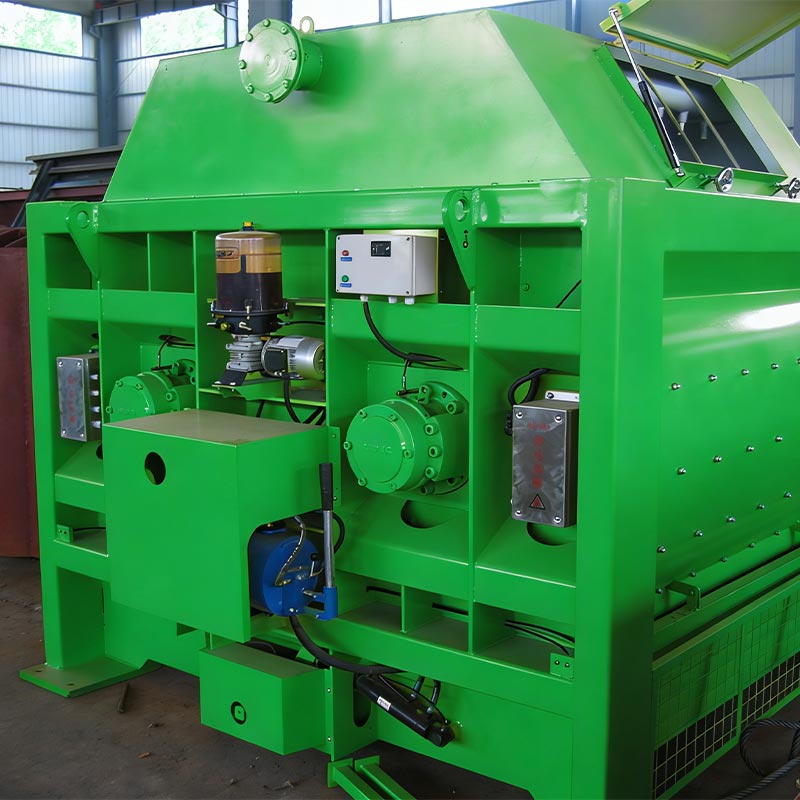
A cement concrete mixer is a machine designed to combine cement, sand, gravel, and water into a uniform mixture. This process ensures the consistency and strength required for construction applications. Unlike manual mixing, which can lead to uneven results, a mixer delivers precision and efficiency.
Modern mixers range from compact portable units to large industrial machines, catering to diverse construction needs.
2. Why Is It Essential in Construction?
The importance of a cement concrete mixer lies in its ability to improve both productivity and quality. Construction projects demand uniform mixtures to ensure structural integrity, and manual mixing often falls short.
- Ensures consistent mixing quality
- Reduces labor costs
- Saves time on large projects
- Enhances durability of structures
- Minimizes material waste
Without a reliable mixer, achieving professional-grade results becomes significantly more challenging.
3. Types of Cement Concrete Mixers
Choosing the right type depends on your project size and requirements. Below is a comparison of common types:
| Type | Description | Best For |
|---|---|---|
| Drum Mixer | Rotating drum mixes materials continuously | General construction |
| Pan Mixer | Fixed pan with rotating blades | High-quality mixing |
| Twin Shaft Mixer | Dual shafts for fast, uniform mixing | Large-scale projects |
| Portable Mixer | Compact and easy to transport | Small jobs and DIY |
4. Key Features to Consider
When evaluating a cement concrete mixer, several features determine its performance and suitability:
- Capacity: Determines output per batch
- Power Source: Electric or diesel options
- Mobility: Fixed vs portable designs
- Mixing Speed: Faster speeds improve efficiency
- Durability: Material quality affects lifespan
Understanding these factors helps align your investment with project needs.
5. How to Choose the Right Mixer
Selecting the ideal mixer involves balancing budget, project size, and performance expectations. Consider the following steps:
- Assess project scale and frequency of use
- Determine required mixing capacity
- Evaluate power availability on-site
- Compare long-term operational costs
- Check manufacturer reliability
For professional-grade reliability, companies like PRO Industry Group Co., Ltd. provide durable and efficient mixing solutions tailored to various construction demands.
6. Applications Across Industries
Cement concrete mixers are not limited to building construction. Their applications extend across multiple industries:
- Residential and commercial construction
- Road and bridge infrastructure
- Agricultural projects
- Precast concrete manufacturing
- Landscaping and urban development
Their versatility makes them indispensable tools in modern engineering.
7. Maintenance and Longevity Tips
Proper maintenance ensures optimal performance and extends the lifespan of your mixer:
- Clean the drum after each use
- Inspect moving parts regularly
- Lubricate bearings and gears
- Check electrical or fuel systems
- Store in a dry, protected environment
Routine care reduces downtime and prevents costly repairs.
8. Common Problems and Solutions
| Problem | Cause | Solution |
|---|---|---|
| Uneven mixing | Overloading or incorrect ratios | Follow recommended capacity |
| Motor overheating | Continuous operation | Allow cooling intervals |
| Drum sticking | Residue buildup | Clean immediately after use |
| Noise issues | Loose components | Tighten and inspect parts |
9. Cost vs Value Analysis
While initial cost is important, long-term value matters more. Investing in a high-quality cement concrete mixer offers:
- Lower maintenance expenses
- Improved efficiency and productivity
- Reduced labor requirements
- Better construction quality
Cheap alternatives may save money upfront but often lead to higher operational costs.
10. Frequently Asked Questions
Q1: How long does a cement concrete mixer last?
A: With proper maintenance, a high-quality mixer can last 5–10 years or more.
Q2: Can I use a mixer for different materials?
A: Yes, but ensure compatibility and clean thoroughly between uses.
Q3: What size mixer do I need?
A: It depends on project scale; small projects may need 100–200L, while large sites require 500L or more.
Q4: Is a portable mixer sufficient for construction?
A: Portable mixers work well for small projects but may not meet industrial demands.
Q5: How often should maintenance be performed?
A: Basic cleaning after each use and detailed inspection monthly.
11. Conclusion
A cement concrete mixer is more than just a tool—it is a cornerstone of efficient, high-quality construction. From improving consistency to saving time and labor, the right mixer can transform your project outcomes. By understanding types, features, and maintenance practices, you can make a confident investment that delivers long-term value.
If you are looking for reliable and high-performance mixing equipment, PRO Industry Group Co., Ltd. offers solutions designed to meet diverse construction needs. Contact us today to discover how our products can enhance your project efficiency and deliver superior results.
Related News
- How Does Cement Concrete Brick Mold Accuracy Affect the Quality of Finished Bricks?
- What Makes a Customized Concrete Brick Mold the Right Choice for Consistent Production?
- Cement Concrete Brick Shot Blasting Surface Treatment Machine vs Traditional Surface Treatment Methods: Which Solution Is More Efficient?
- How to Choose the Right Paver Concrete Brick Mold for Landscape Projects
- Are Wooden Cement Brick Pallets Costing You More Than You Think?
- Why Choose a Laser Rust Remover Machine for Modern Surface Cleaning?
Leave me a message