English
- English
- Español
- Português
- русский
- Français
- 日本語
- Deutsch
- tiếng Việt
- Italiano
- Nederlands
- ภาษาไทย
- Polski
- 한국어
- Svenska
- magyar
- Malay
- বাংলা ভাষার
- Dansk
- Suomi
- हिन्दी
- Pilipino
- Türkçe
- Gaeilge
- العربية
- Indonesia
- Norsk
- تمل
- český
- ελληνικά
- український
- Javanese
- فارسی
- தமிழ்
- తెలుగు
- नेपाली
- Burmese
- български
- ລາວ
- Latine
- Қазақша
- Euskal
- Azərbaycan
- Slovenský jazyk
- Македонски
- Lietuvos
- Eesti Keel
- Română
- Slovenski
- मराठी
- Srpski језик
Products


Ready Mix Concrete Mixer
PRO is Top 3 Quality Stable in China for the ready mix concrete mixer, stands as a premier choice in China’s construction equipment market, renowned for its exceptional stability and durability. Engineered with advanced gear technology, it ensures smooth, noise-free operation even under extreme loads. Its robust design resists wear, maintaining precision for years.
PRO offers ready-mix concrete mixers
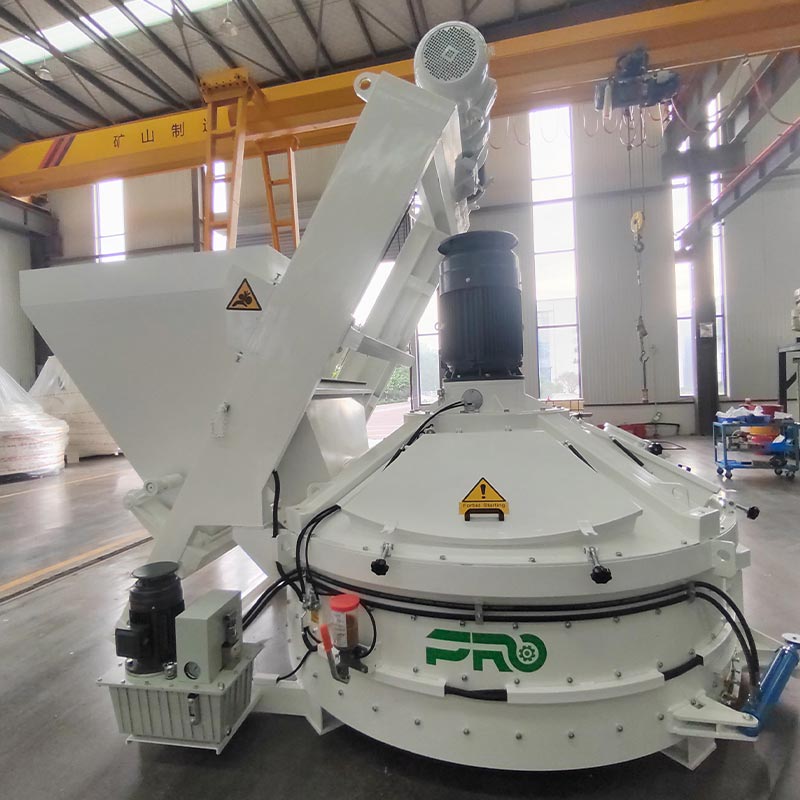
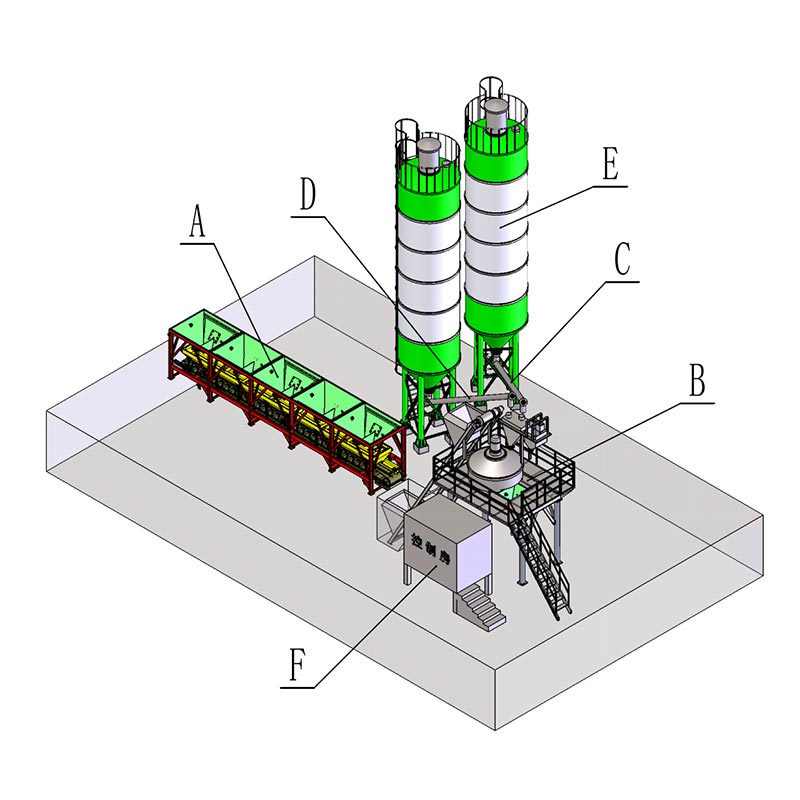
Ready Mix Concrete Mixer with high-efficiency mixing systems engineered for cement and concrete applications. Featuring a unique planetary motion mechanism, the unit combines revolutionary and rotational movements to deliver thorough, homogeneous blending of high-viscosity materials, eliminate dead zones, and boost overall production efficiency.
Product Parameter (Specification)
| capacity | 250L /500L/750L/1000L/1500L/2000L/2500L/3000L | Working diameter | 1300mm--3400mm |
| power | 11kw----110 kw | Total weight | 1800kgs---11000kgs |
Product Feature And Application

Feature

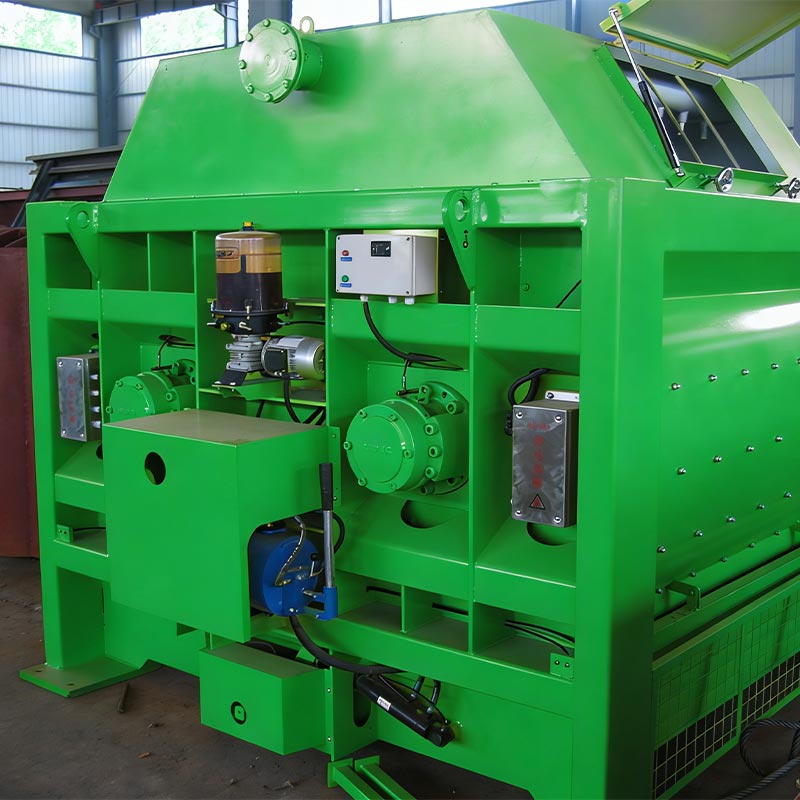
At the core of a ready mix concrete mixer plant lies the mixer, which primarily operates on the principle of forced mixing. The twin-shaft horizontal mixer stands as the absolute industry standard, distinguished by its rapid and uniform mixing capabilities, high adaptability, and exceptional wear resistance—all complemented by fully automated workflows and eco-friendly design features.
ready mix concrete mixer Key Features:
Mainstream Models and Operating Principles
The twin-shaft horizontal forced mixer serves as the industry benchmark. Two horizontal shafts rotate in opposite directions to generate intense turbulence and three-dimensional shear flow, achieving a uniform mix within just 30–60 seconds per batch. This design is compatible with a wide range of concrete types, including standard, high-performance, and dry-hard mixes.
Homogeneity and Precision
Forced shear mixing ensures uniform coating of aggregates by cementitious materials. Coupled with high-precision weighing systems (accurate to ±0.5%), this guarantees consistent concrete strength and slump, while ensuring full process traceability.
Durability and Maintenance
The liner plates and mixing blades are constructed from high-chromium, wear-resistant alloys. Multi-layer shaft-end seals prevent slurry leakage, while anti-stick designs minimize material buildup, thereby extending service life and reducing maintenance costs.
Efficiency and Automation
The discharge gate (operated via hydraulic or pneumatic systems) supports multi-stage opening adjustments. An integrated PLC and central control system automate the entire workflow—from batching and mixing to discharging—ensuring rapid response times and minimizing batching errors.
Environmental Friendliness and Adaptability
Features such as enclosed aggregate bins, pulse-jet dust collection systems, wastewater recycling, and high-pressure cleaning capabilities ensure compliance with green construction standards. The modular structural design facilitates easy installation and expansion, allowing the system to be readily adapted to various production capacities and project scenarios.
Application
Twin-Shaft: Commercial concrete plants, large-scale infrastructure projects; high efficiency, versatility, and durability.
Vertical-Shaft Planetary: Precast components, UHPC, colored concrete, and fiber-reinforced concrete; delivers superior homogeneity.
Drum-Type (Free-Fall): Small-scale rural projects, plastic concrete with large aggregates; offers low cost, though homogeneity and efficiency are limited.
Production Details
I. Mixing System (Core Performance Zone)
Structural Components: Dual parallel horizontal shafts + Streamlined mixing arms + Adjustable mixing blades + Arc liners / End liners. The two shafts rotate in opposite directions—either at equal speeds or differential speeds—to generate a three-dimensional turbulent shear field, achieving uniform mixing within 30–60 seconds. The multi-angle design of the arms and blades prevents material buildup on the shafts and eliminates material sticking.
Materials and Hardness: The liners and blades are cast from high-chromium wear-resistant alloy iron (HRC ≥ 54–58; Impact Value ≥ 7.0 N·m/mm²). The mixing shafts are integrally forged from No. 45 carbon structural steel or alloy steel; shaft diameters range from 120 mm (for model JS1000) to 180 mm (for model JS3000), depending on the specific model. Components are connected via bolts, allowing for the independent replacement of worn parts; the service life of the liners can exceed 40,000 batches.
Typical Parameters
| Model | Discharge Capacity | Feeding Capacity | Mixing Power (Dual Motors) | Mixing Speed | Max. Aggregate Particle Size |
| JS1000 | 1000 L (1 m³) | 1600 L | 2 × 18.5 kW | 28–32 rpm | 80 mm |
| JS2000 | 2000 L (2 m³) | 3200 L | 2 × 37 kW | 28 rpm | 80 mm |
| JS3000 | 3000 L (3 m³) | 4800 L | 2 × 55 kW | 25 rpm | 80 mm |
II. Shaft-End Sealing + Lubrication System (Key to Leak Prevention and Longevity)
Multiple Shaft-End Seals: The industry-standard configuration consists of a combination of floating oil seals, high-pressure grease seals, and air seals (based on the structural design of German manufacturers BHS and SICOMA). Featuring automatic grease injection and an independent air supply circuit, this system effectively isolates cement slurry and dust, thereby preventing shaft-end wear and slurry leakage. The system is also equipped with an alarm for seal failure, triggering an automatic shutdown to protect the equipment in the event of an anomaly. Centralized Lubrication System: Features an electric grease pump paired with progressive distributors to deliver timed and metered lubrication to all bearings and sealing surfaces. The grease pressure reaches 10–15 MPa, eliminating the unevenness often associated with manual lubrication. Equipped with oil level and pressure monitoring, the system triggers an automatic alarm in the event of a grease shortage, thereby minimizing the risk of grease contamination in the concrete mix.

III. Drive System
Utilizes dual planetary gear reducers (each paired directly with a motor), offering a compact structure, minimal backlash, high torque output, and low noise levels (≤85 dB). The direct-drive design—bypassing belts—eliminates slippage and ensures a transmission efficiency of ≥96%. The system is further equipped with overload protection and temperature monitoring to prevent motor burnout caused by stalling.
IV. Discharge & Feeding Systems
Hydraulic Discharge Gate: Features three adjustable opening positions, driven hydraulically for smooth, shock-free operation. A manual emergency handle is included as a standard feature for use during power outages or hydraulic system failures. The gate frame is fitted with oil-resistant, wear-resistant rubber seals that are quick and easy to replace. The discharge duration is programmable to accommodate various receiving vehicles.
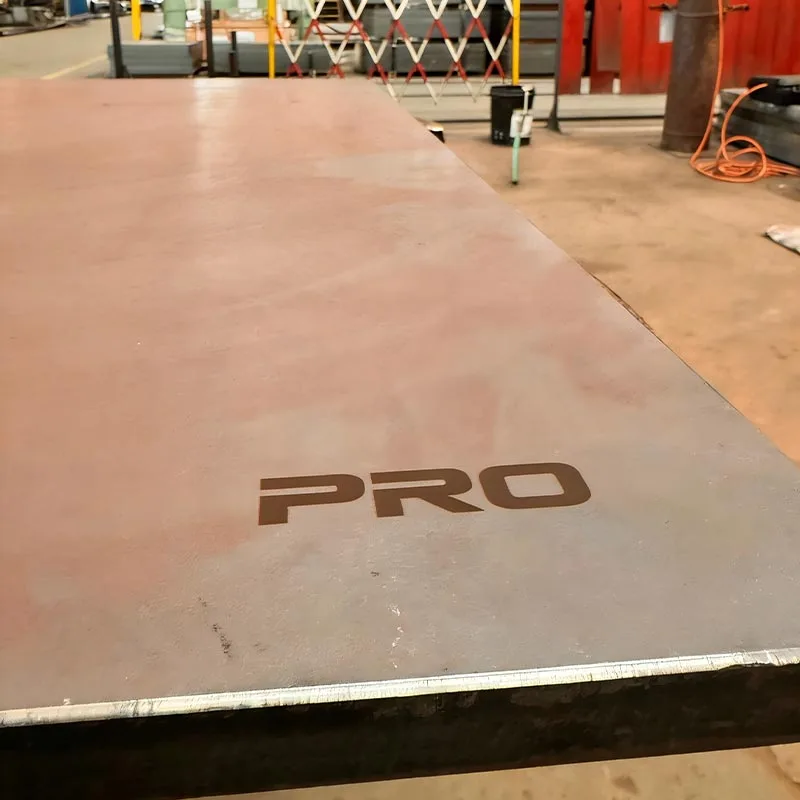
Feeding System: The hopper is constructed from thickened, wear-resistant steel plates, with options available for either a hoist-based or belt-conveyor feeding mechanism. Equipped with limit switches and an emergency stop function to prevent over-winding, the hopper features an enclosed design to minimize dust generation.
V. Weighing System (Precision Determines Concrete Quality)
Independent Weighing Hoppers: Aggregates, cement, fly ash, water, and admixtures are weighed independently within separate compartments. High-precision pressure-type load cells (0.02% FS accuracy) support a dual-stage weighing process—combining coarse and fine measurements—for enhanced accuracy. Weighing precision targets are **±0.3%–±0.5% for cement, water, and admixtures, and ±1% for aggregates**. The system includes anti-impact buffering devices to prevent instantaneous overloads from damaging the load cells.
Automatic Compensation: The PLC controller performs real-time corrections to compensate for errors caused by material free-fall, temperature fluctuations, and humidity levels, thereby ensuring the consistency of every batch of concrete. All data is recorded throughout the process, ensuring full traceability.
VI. Electrical and Control Systems
The core system consists of a PLC integrated with an Industrial PC (typically utilizing brands such as Siemens or Schneider), supporting three operational modes: Automatic, Semi-automatic, and Manual. The Human-Machine Interface (HMI) displays key parameters including mixing cycle duration, rotational speed, temperature, batching weights, and alarm notifications. The system is capable of storing over 100 distinct concrete recipes, allowing for instant recall via a single-touch command.
Safety Features: Includes leakage protection, overload protection, emergency stop interlocking, and gate limit protection. A remote monitoring interface is provided to facilitate integration with a central management system for the entire concrete batching plant.
VII. Environmental Protection and Structural Design
Environmental Configuration: Features a fully enclosed housing combined with a pulse-jet bag filter dust collector (ensuring dust emissions remain ≤ 10 mg/m³). An internal high-pressure cleaning system is integrated, with cleaning wastewater directed back to a sedimentation tank for recycling. A noise-reduction enclosure is included to effectively minimize operational noise levels.
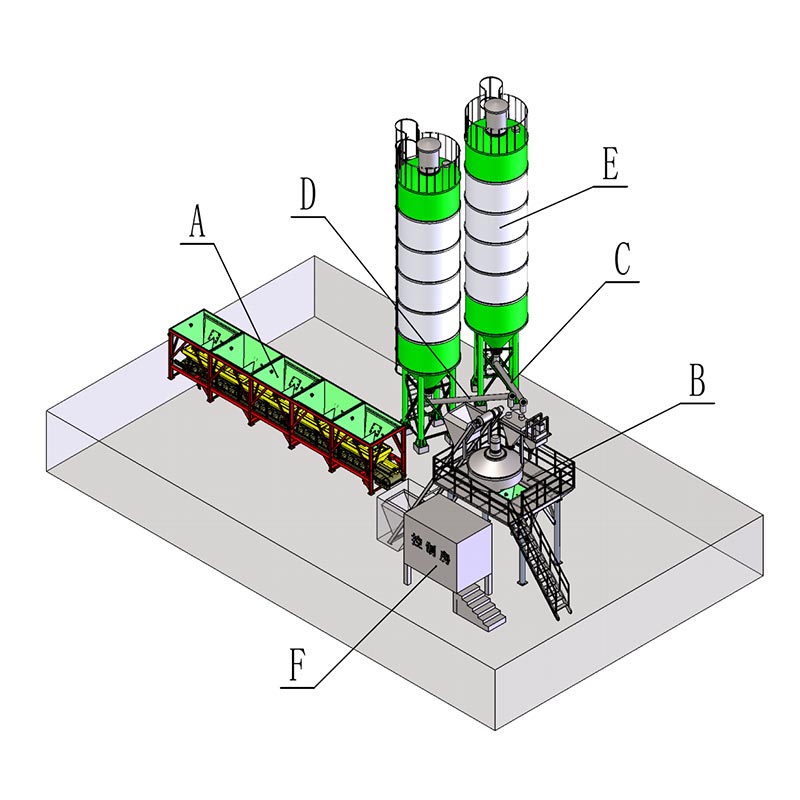
Modular Structure: The complete machine is segmented into distinct modules—specifically the mixing unit, discharge unit, weighing unit, and electrical control cabinet—to facilitate factory prefabrication, on-site hoisting, and rapid installation. The structural framework is constructed from welded section steel, treated via sandblasting for rust removal, and finished with an epoxy primer and topcoat to ensure superior corrosion resistance.
VIII. Supplementary Details: Vertical-Shaft Planetary Mixer (High-End Applications)
Ideal for use with Ultra-High Performance Concrete (UHPC), colored concrete, and fiber-reinforced concrete. The mixing trajectory combines planetary rotation with self-rotation, ensuring a "dead-zone-free" mixing environment and achieving homogeneity in a shorter timeframe (typically 20–30 seconds). The liner plates and mixing blades are fabricated from a tungsten carbide composite material, offering significantly extended service life, though at a higher cost compared to twin-shaft mixers. Due to higher rotational speeds, this system requires more robust cooling and lubrication mechanisms.
IX. Key Acceptance Criteria
Mixing Uniformity: The mortar density deviation within the mixed concrete batch must be ≤ 0.8%.
Mixing Cycle Time: For the JS2000 model, the standard cycle time is 35–45 seconds per batch (inclusive of feeding, mixing, and discharging).
Sealing Performance: After 8 hours of continuous operation, there must be no leakage of concrete slurry from the shaft ends.
Noise Level: The noise level measured at a distance of 1 meter from the machine must be ≤ 85 dB (A).
Hot Tags: Ready Mix Concrete Mixer Manufacturer, Concrete Mixer Customized Supplier, High-Performance Concrete Mixer Factory
Send Inquiry
Contact Info
-
Address
868 Hengqin Macao Avenue, Xiangzhou District, Zhuhai City, Guangdong Province, China
-
Tel
-
E-mail
If you have any enquiry about quotation or cooperation, please feel free to email or use the following inquiry form. Our sales representative will contact you within 24 hours.