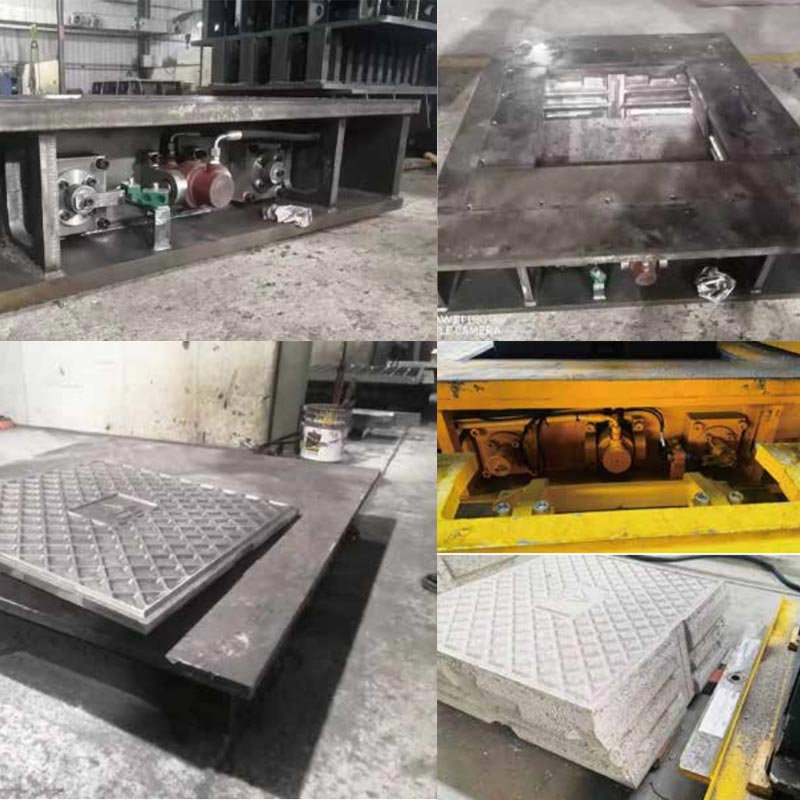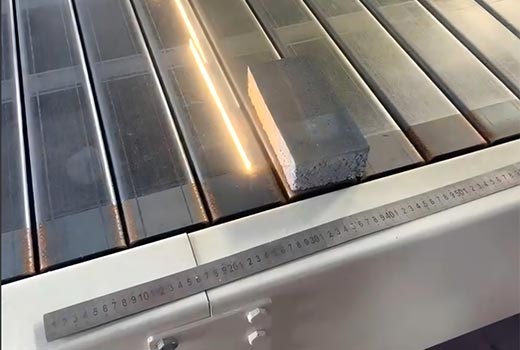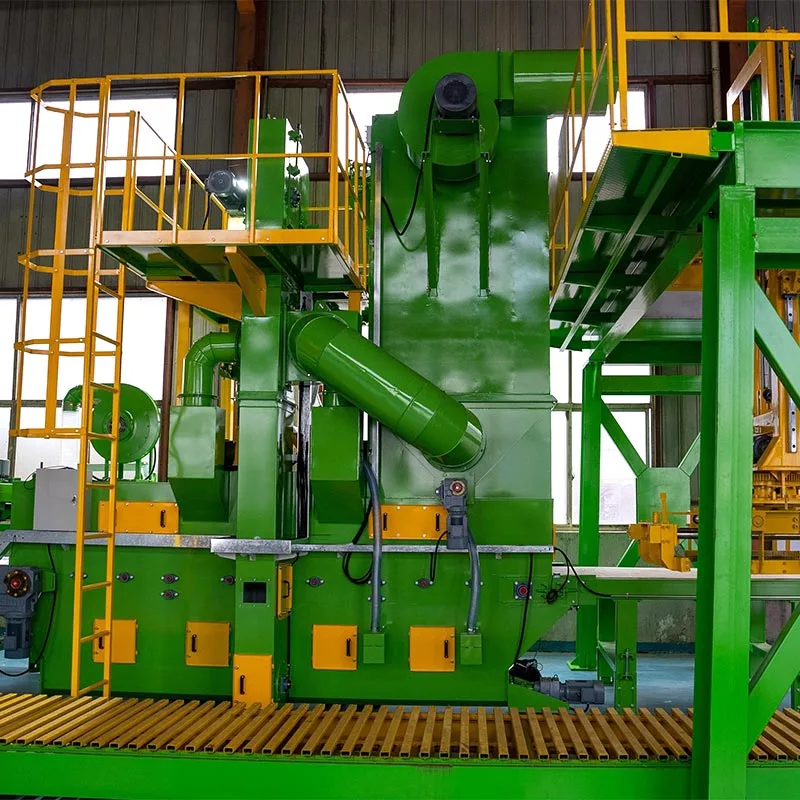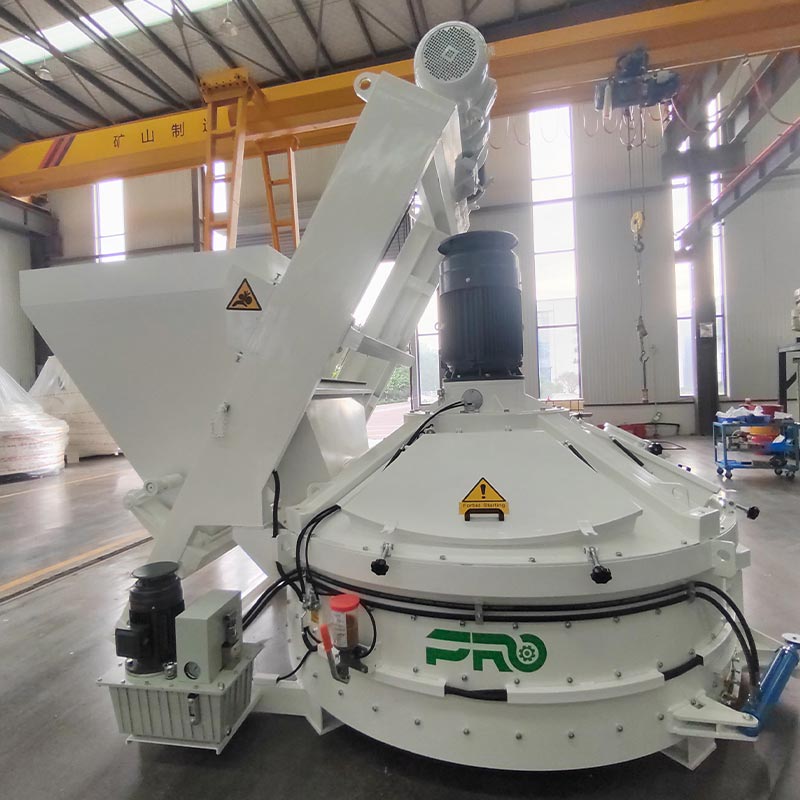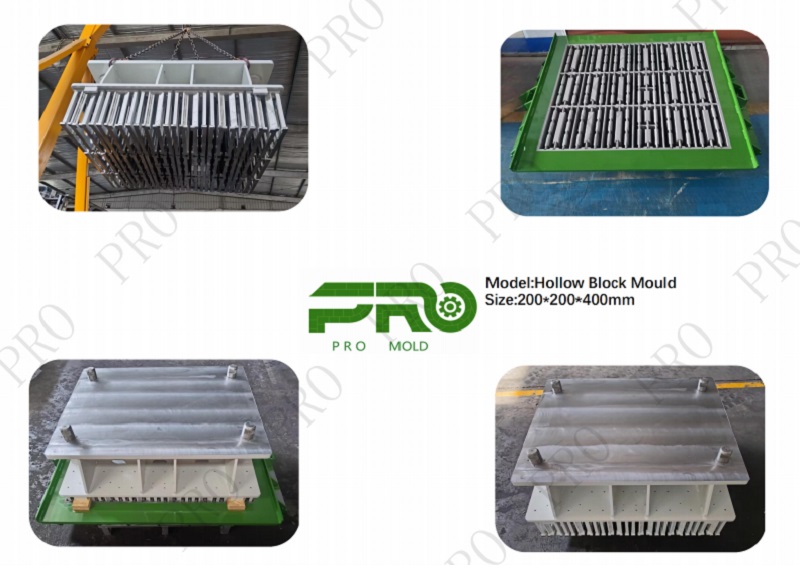

A customized concrete brick mold helps manufacturers produce concrete bricks, masonry blocks, paving units, and specialty shapes that meet specific dimensional, functional, and aesthetic requirements. Discover how mold design, material selection, machine compatibility, manufacturing precision, and maintenance influence product quality, production efficiency, and long-term operating costs.
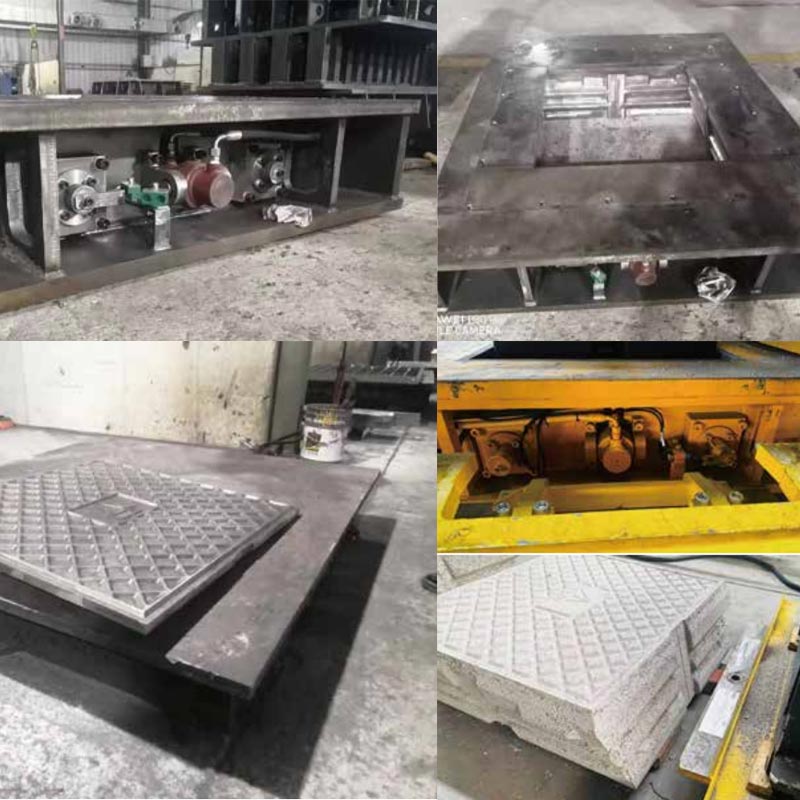
- Understand the relationship between mold customization and finished concrete product quality.
- Compare common mold types and material considerations.
- Identify essential design, machining, and machine-fitting requirements.
- Build a practical purchasing and maintenance checklist.
Introduction to Customized Concrete Brick Molds
Concrete bricks and blocks are fundamental materials in residential construction, commercial buildings, infrastructure projects, landscaping, and pavement installation. As construction requirements become more diverse, manufacturers increasingly need products with specific dimensions, distinctive profiles, specialized textures, and dependable performance.
Standard molds can meet many routine production requirements, but they may not accommodate every product design or production line. A customized concrete brick mold offers a practical solution by adapting cavity geometry, mold dimensions, material selection, and mounting features to the manufacturer's actual needs.
For concrete product manufacturers, the challenge extends beyond creating a particular brick shape. The mold must also support repeatable production, release the formed product without unnecessary damage, withstand repeated mechanical loading, and work with the available block-making equipment.
Choosing a suitable mold therefore requires a coordinated assessment of product specifications, concrete mix characteristics, machine configuration, expected output, and maintenance resources. Understanding these factors helps buyers make informed purchasing decisions and avoid preventable production problems.
What Is a Customized Concrete Brick Mold?
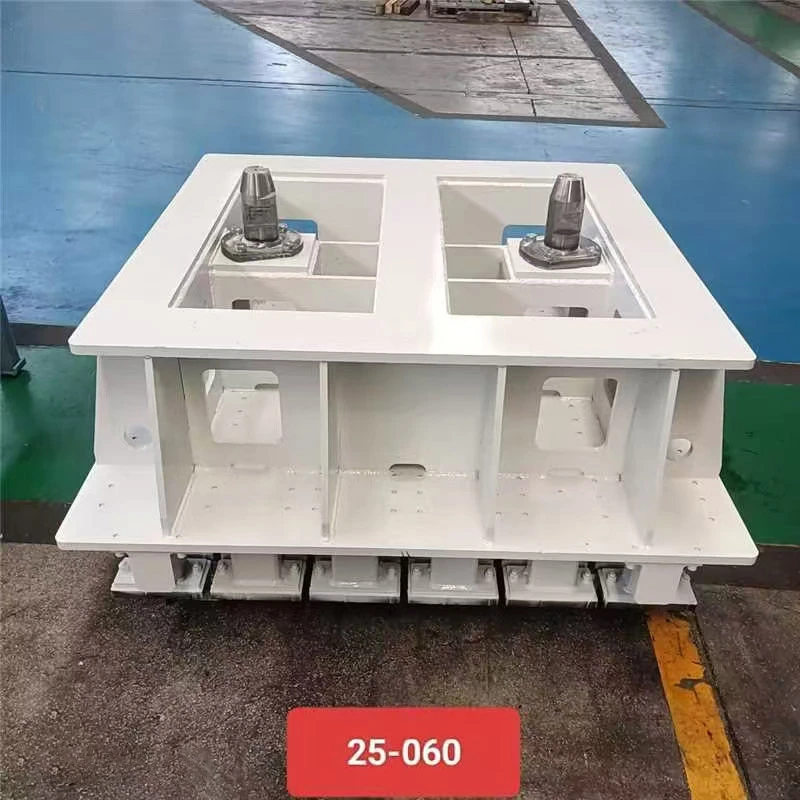
A customized concrete brick mold is a forming tool manufactured according to specific product drawings, dimensions, cavity arrangements, surface patterns, or equipment requirements. It defines the geometry of the concrete unit during forming and helps maintain consistent product dimensions throughout repeated production cycles.
Depending on the production method, a mold may be used in a vibration-and-compaction block machine or in a casting process. The material, structural design, and release mechanism must match the intended application rather than follow a universal specification.
Customization may involve a completely new mold, a revised cavity layout, replacement tooling for an existing machine, or modifications to an established design. Buyers should clarify which features are customized and which interfaces must remain unchanged before manufacturing begins.
Why Does Custom Mold Design Matter?
The quality of a mold affects more than the appearance of a finished concrete product. Its geometry, rigidity, surface condition, and fit with the production equipment can influence dimensional consistency, demolding behavior, cycle stability, and maintenance requirements.
Improving Dimensional Consistency
Bricks and blocks often need to fit together accurately during installation. Variations in cavity dimensions, mold alignment, or wear can create inconsistent product sizes and complicate downstream construction work. A properly engineered mold establishes a reliable starting point for dimensional control, although the concrete mix and forming process must also remain stable.
Reducing Rejects and Production Interruptions
Incorrect clearances, unsuitable surface geometry, or poor equipment alignment can contribute to sticking, edge damage, material leakage, and irregular forming. Customizing the mold around the actual production process helps address these risks before they become recurring operational problems.
Supporting Product Differentiation
Manufacturers may need distinctive interlocking profiles, specialized hollow configurations, decorative surfaces, or unusual dimensions for particular customers. Custom tooling makes these designs more practical to manufacture repeatedly without relying on manual adjustments for every unit.
Controlling Long-Term Operating Costs
A mold with an appropriate material grade, maintainable components, and a suitable design may reduce repair frequency and unplanned downtime. The objective is not simply to purchase the least expensive mold, but to obtain tooling that performs reliably at the required output level.
Common Types of Custom Concrete Brick Molds
Different concrete products require different cavity configurations and forming characteristics. Identifying the intended product category is an essential first step in selecting the appropriate tooling.
| Mold Type | Typical Applications | Key Design Considerations |
|---|---|---|
| Solid Brick Mold | Solid masonry units and general construction products | Dimensional accuracy, cavity wear, and consistent compaction |
| Hollow Block Mold | Hollow concrete masonry blocks | Core alignment, wall thickness, and release clearance |
| Interlocking Block Mold | Interlocking construction and retaining-wall systems | Profile accuracy and reliable fit between units |
| Concrete Paver Mold | Driveways, walkways, plazas, and outdoor paving | Surface finish, edge definition, and dimensional consistency |
| Decorative Concrete Mold | Architectural finishes and decorative masonry | Pattern reproduction, texture detail, and clean release |
| Specialty Product Mold | Project-specific concrete shapes and custom units | Drawing accuracy, structural requirements, and production feasibility |
These categories can overlap. For example, an interlocking paver may also require a decorative face, while a hollow block may incorporate a nonstandard profile. The final design should be based on the product drawing, manufacturing method, and intended service conditions.05 / MATERIAL SELECTION
How to Choose the Right Mold Material
Material selection is one of the most important decisions in customized mold development. The right material depends on production volume, concrete composition, abrasive aggregate content, mechanical loading, mold geometry, and the expected maintenance schedule.
Steel for Machine-Compacted Concrete Products
Steel is commonly used for molds operating in concrete block machines because it offers structural rigidity and resistance to repeated mechanical loads. Different steel grades provide different balances of toughness, hardness, machinability, and wear resistance.
For demanding production environments, buyers should discuss the suitability of the proposed steel grade, heat-treatment process, working-surface hardness, and critical wear areas with the mold manufacturer. Hardness alone does not determine service life; the material must also resist cracking and deformation under actual operating conditions.
Polyurethane, Rubber, and Other Flexible Materials
Flexible polyurethane or rubber molds may be suitable for certain wet-cast decorative products, architectural features, and complex surface textures. Their flexibility can help release detailed shapes, but their performance depends on the formulation, concrete chemistry, demolding technique, and handling conditions.
These flexible molds are not direct substitutes for every rigid steel mold used in high-speed block-making machinery. The manufacturing process should determine the appropriate material category.
| Material Category | Main Advantages | Important Limitations |
|---|---|---|
| Carbon or Alloy Steel | Rigidity, strength, and suitability for machine-based production | Requires suitable corrosion control and wear management |
| Hardened Tool Steel | High surface wear resistance when properly specified and treated | Material and heat treatment must be balanced against impact and cracking risks |
| Polyurethane | Flexible release and potential for detailed surface reproduction | Wear, deformation, and chemical compatibility vary by formulation |
| Rubber | Flexibility and suitability for selected decorative casting applications | May be unsuitable for high-pressure or high-frequency machine forming |
Key Design Factors for Reliable Performance
A customized concrete brick mold should be designed as part of a complete production system. Several engineering factors deserve particular attention during the quotation and design-approval stages.
Cavity Dimensions and Tolerances
The mold drawing should specify critical dimensions, acceptable tolerances, cavity spacing, and the relationship between individual cavities and the overall assembly. Requirements should reflect the finished product specification and the capabilities of the production equipment.
Do not assume that one tolerance applies to every mold. A supplier should identify critical dimensions and explain how they will be measured and verified.
Cavity Shape and Corner Geometry
Internal profiles, corner radii, draft features, and core arrangements can affect concrete filling, compaction, product strength, and release. Sharp corners or unsuitable profiles may create stress concentrations, damage vulnerable edges, or complicate cleaning.
For hollow blocks, core geometry and alignment are particularly important because they influence the consistency of internal openings and surrounding wall thicknesses.
Surface Finish and Release Behavior
The required cavity finish depends on the concrete mix, mold material, forming process, and desired appearance. A well-finished working surface can help reduce sticking and reproduce the intended texture, but it cannot compensate for an unsuitable concrete mix or incorrect release procedure.
Structural Strength and Wear Resistance
Molds used in repeated vibration and compaction must withstand mechanical loading without unacceptable deformation. Material thickness, reinforcement, machining quality, and heat treatment should be considered together. High-wear sections may benefit from replaceable inserts when the design and application permit.
Cleaning and Maintainability
Accessible surfaces, practical cleaning arrangements, and replaceable wear components can simplify routine maintenance. A design that is easy to inspect and service may help reduce downtime throughout the mold's operating life.
The Custom Mold Manufacturing Process
A controlled manufacturing process turns the customer's product requirements into a usable production tool. Although the exact workflow varies by mold type, the following stages provide a useful framework for evaluating a supplier.
- Requirement collection: Confirm the product drawing, dimensions, tolerances, concrete mix, target output, production method, and machine model.
- Engineering review: Evaluate cavity geometry, structural requirements, mounting interfaces, clearances, and manufacturing feasibility.
- Design approval: Review and approve the mold drawing before cutting material. Resolve dimensional ambiguities and confirm any design revisions in writing.
- Material preparation: Select and inspect material appropriate for the expected loads, wear conditions, and intended application.
- Precision machining: Use suitable machining processes to create the specified cavity geometry, mounting features, and working surfaces.
- Heat treatment or finishing: Apply the required treatment where applicable, followed by additional finishing and inspection as necessary.
- Assembly and verification: Check critical dimensions, alignment, clearances, flatness, and fit against the approved design.
- Final inspection and delivery: Document inspection results, protect working surfaces, and prepare the tooling for transport and installation.
For complex or high-volume projects, a sample run or production trial may be appropriate. This can help reveal practical issues that are difficult to identify from drawings alone, including release problems, uneven filling, or equipment interference.
Clear communication at each stage reduces the risk of producing a mold that technically matches an incomplete drawing but fails to meet the customer's actual production needs.
Machine Compatibility and Installation
One of the most expensive mistakes in custom mold procurement is overlooking the production machine's interface requirements. A mold may have the correct cavity dimensions yet remain unusable if its mounting arrangement, overall dimensions, or operating clearances do not match the equipment.
Before requesting a quotation, prepare the following information:
- Machine manufacturer, model, and relevant configuration.
- Existing mold dimensions and mounting drawings, if available.
- Mounting-hole locations, fastener specifications, and locating features.
- Pallet dimensions, press-head interface, and stripping arrangement where applicable.
- Required cavity count, cavity spacing, and product orientation.
- Available installation space and any equipment clearance restrictions.
- Photos of the existing mold, machine interface, and finished concrete product.
When replacing an existing mold, provide the original technical drawings whenever possible. If drawings are unavailable, measurements and photographs can support an initial review, but critical interfaces should be verified before production approval.
Quality Control and Performance Verification
A reliable customized concrete brick mold requires more than accurate machining. Inspection should establish that the finished tool matches the approved specifications and is suitable for the intended production environment.
Dimensional Inspection
Critical cavity dimensions, mounting interfaces, alignment features, and overall flatness should be measured using suitable calibrated equipment. Inspection methods should be appropriate to the geometry and the required tolerances.
Material and Treatment Records
Where material properties or heat treatment are critical, ask for relevant material certificates, treatment records, and hardness inspection results. Confirm that the documents relate to the actual supplied tooling rather than a generic sample.
Fit and Functional Checks
Assembly checks can help verify that the mold fits the specified equipment and that moving parts have suitable clearances. Where practical, a controlled trial can help assess filling, demolding, product dimensions, and surface condition.
Production Monitoring
After installation, record the initial product dimensions, surface defects, operating settings, and any required adjustments. Monitor these measurements during routine production so that changes can be detected before they lead to significant waste.
Buyers should agree on acceptance criteria before manufacturing begins. This makes final inspection more objective and gives both parties a shared understanding of what constitutes an acceptable mold.
Maintenance Tips for Longer Mold Life
Even a well-manufactured mold needs regular care. Abrasive aggregates, hardened concrete residue, improper storage, and misalignment can gradually reduce performance. A consistent maintenance routine helps preserve dimensional accuracy and identify wear before it becomes severe.
- Clean after production: Remove concrete residue using methods approved for the mold material and surface finish. Avoid tools or chemicals that may damage critical surfaces.
- Inspect working surfaces: Look for abnormal wear, scratches, cracks, deformation, and residue buildup.
- Check alignment and fasteners: Verify mounting security and inspect locating features according to the maintenance schedule.
- Use suitable release products: Where required, apply a compatible release agent in accordance with its manufacturer's instructions.
- Store correctly: Protect clean molds from moisture, impact, contamination, and corrosion during storage.
- Track wear over time: Record operating cycles, repairs, dimensional measurements, and recurring product defects.
- Replace worn components promptly: Follow approved repair procedures and replace inserts or other serviceable parts when their condition requires it.
Service life cannot be guaranteed by material selection alone. Production intensity, aggregate abrasiveness, machine condition, concrete formulation, maintenance practices, and operating technique all influence how long a mold remains suitable for use.
How to Select a Reliable Custom Mold Supplier
The supplier's engineering capability and communication process can be just as important as the quoted price. A qualified manufacturing partner should understand the application, identify potential design problems, and explain how the finished tooling will be verified.
Use the following checklist when comparing potential suppliers:
- Relevant experience: Ask about experience with the same product category and production method.
- Engineering support: Confirm that the supplier can review drawings, identify interface risks, and discuss practical design improvements.
- Material transparency: Request the proposed material grade and relevant treatment specifications.
- Manufacturing capability: Ask which machining, finishing, inspection, and assembly processes are available for your project.
- Documented acceptance criteria: Agree on critical dimensions, inspection methods, and deliverable records.
- Communication and lead time: Confirm drawing-approval milestones, production scheduling, shipping arrangements, and change-control procedures.
- After-sales support: Discuss installation guidance, troubleshooting, repair options, and replacement components where applicable.
- Commercial clarity: Review tooling charges, sample costs, packaging, delivery terms, payment milestones, and warranty conditions.
A supplier that asks detailed technical questions before quoting may help identify problems early. This is particularly valuable for first-time custom tooling projects or molds that must integrate with an existing production line.
Understanding the Total Cost of Ownership
The purchase price is only one part of the cost of a customized concrete brick mold. A more complete assessment includes the expected service life, maintenance needs, production interruptions, rejected products, and the cost of future replacement.
For a practical comparison, consider these cost categories:
| Cost Factor | Questions to Ask |
|---|---|
| Initial Tooling Cost | Does the quotation include design, machining, treatment, inspection, and assembly? |
| Production Efficiency | Will the design support the required output and fit the existing machine? |
| Wear and Repairs | Which components are most likely to wear, and can they be serviced or replaced? |
| Quality Losses | What inspection and process controls are needed to minimize dimensional variation and rejects? |
| Downtime | How quickly can technical support, repairs, or replacement tooling be arranged? |
When comparing quotations, use the same product drawing, machine specifications, inspection requirements, and delivery expectations for each supplier. Otherwise, a lower price may simply reflect different materials, tolerances, or included services.
The most economical option is the one that meets the required quality and output consistently at an acceptable overall operating cost, not necessarily the one with the lowest initial price.
Frequently Asked Questions About Customized Concrete Brick Molds
1. What information is required to order a customized concrete brick mold?
Prepare the product drawing, overall dimensions, critical tolerances, cavity arrangement, machine model, mounting details, concrete mix information, and target production volume. Photographs of existing tooling and finished products can also help the manufacturer assess the requirements.
2. Can a custom mold be made for an existing concrete block machine?
Yes, provided the mold can be engineered to match the machine's interfaces and operating requirements. The mounting dimensions, locating features, press-head clearance, pallet arrangement, and stripping mechanism should be verified before production approval.
3. Which material is best for a customized concrete brick mold?
There is no single best material for every application. Steel and suitable alloy or tool steels are commonly considered for machine-compacted products, while polyurethane or rubber may suit selected wet-cast applications. The correct choice depends on wear, loading, product geometry, production method, and maintenance requirements.
4. How can manufacturers improve concrete brick dimensional accuracy?
Start with accurate mold geometry and verified machine interfaces. Then control the concrete mix, material distribution, compaction settings, curing conditions, and routine dimensional inspections. Mold precision is essential, but finished-product accuracy depends on the entire production process.
5. How long does a customized concrete brick mold last?
Service life varies with material selection, heat treatment, production cycles, aggregate abrasiveness, machine condition, and maintenance. Request application-specific service-life estimates and clarify the operating conditions and acceptance criteria behind any supplier claims.
6. Can custom molds produce decorative or unusual brick shapes?
Many decorative and nonstandard shapes can be produced with suitable custom tooling. Feasibility depends on the shape, demolding direction, concrete formulation, forming method, and the level of detail required. A drawing review or sample trial can help confirm the design.
7. What quality documents should buyers request?
Depending on the project, useful records include approved drawings, material certificates, heat-treatment documentation, hardness results, dimensional inspection reports, and assembly or trial records. Confirm which documents are included in the purchase agreement.
8. How can mold maintenance costs be reduced?
Use a documented cleaning and inspection routine, maintain proper machine alignment, follow approved operating procedures, and monitor critical dimensions and wear. Early intervention can help prevent minor issues from becoming expensive repairs or production interruptions.
9. Is a customized mold more expensive than a standard mold?
A custom mold may involve additional engineering, machining, and verification costs. However, it can be worthwhile when standard tooling cannot meet the product specification or equipment requirements. Compare the complete tooling scope and expected operating costs rather than purchase price alone.
10. How can buyers reduce risks before placing an order?
Provide complete technical information, approve the final drawing, confirm material and inspection requirements, and document delivery and warranty terms. For complex projects, consider a sample or trial process before committing to larger production quantities.
Conclusion: Building a Better Concrete Production Process
A customized concrete brick mold is more than a forming tool. It is an important part of the manufacturing system that influences product dimensions, surface quality, production stability, and ongoing maintenance requirements.
Successful mold selection begins with a clear understanding of the finished product and the equipment used to manufacture it. Buyers should evaluate material suitability, cavity geometry, tolerances, machine compatibility, manufacturing controls, and after-sales support as parts of one coordinated decision.
Equally important is the partnership between the buyer and the manufacturer. Clear drawings, documented specifications, timely design approval, and agreed inspection criteria help reduce uncertainty and support dependable results.
For manufacturers developing new concrete products or upgrading existing production lines, working with an experienced custom tooling partner can help turn product requirements into a practical, repeatable manufacturing solution.
Looking for a Customized Concrete Brick Mold for Your Production Needs?
PRO Industry Group Co., Ltd. welcomes inquiries from manufacturers and project buyers seeking customized industrial solutions. Share your product drawings, dimensions, application requirements, and equipment details so your project can be evaluated against its specific technical needs.
Whether you are developing a new product or looking for a mold that fits an existing production line, clear specifications are the first step toward finding a suitable solution.
Contact us to discuss your customized concrete brick mold requirements, request a project assessment, and explore the next steps for your manufacturing project.